texasmotorcycleacademy.com
Posts by :
Understanding how many volts a motorcycle battery provides
Motorcycle batteries might look straightforward, but understanding how many volts they provide is key for ensuring reliable performance. Many riders wonder what voltage to expect from their battery in different situations—whether the bike is parked during winter or being started on a chilly morning. By diving into the typical figures and subtle differences of motorcycle battery voltage, any rider can be better prepared to spot issues before they turn into unwelcome surprises.
What is the standard motorcycle battery voltage?
The vast majority of modern motorcycles use a 12 volt battery as the primary power source. This has become the industry norm because it strikes a solid balance between weight, size, and delivering enough energy for ignition, lights, and other accessories. For those who ride vintage bikes, some older models did rely on 6 volt systems, but these have become quite rare today.
When talking about a “12 volt battery,” this figure refers to the nominal voltage: the average output expected under normal conditions. Actual voltage, however, can fluctuate depending on charge status and load. Checking with a multimeter across the terminals provides a real-time reading. Even small shifts in voltage can affect starting capability, brightness of lighting, and charging efficiency.
Key motorcycle battery voltage values explained
Voltage readings reveal a lot about a battery’s health and state of charge. Knowing what to expect in different scenarios makes it easier to spot when a battery needs maintenance or replacement. Each stage—fully charged, at rest, cranking, or charging—comes with its own voltage range.
Let’s break down what these numbers mean and how they help diagnose common battery issues.
What is the fully charged voltage of a motorcycle battery?
A battery that is completely full should usually show a fully charged voltage between 12.6 and 12.8 volts with no electrical loads connected. The best time to check is after riding or following a complete charge, using a voltmeter while the engine remains off.
If the measurement falls below 12.4 volts, the battery is likely only partially charged. Being aware of these benchmarks helps prevent unexpected breakdowns, especially at the start of a new season after periods of storage.
How do resting and minimum acceptable voltages differ?
Testing several hours after turning off the ignition gives the so-called battery at rest voltage. A healthy battery typically measures close to 12.7 volts at rest, while anything less than 12.4 volts points to partial discharge.
As for the minimum acceptable voltage before starting, most motorcycles need at least 12.0 volts. Anything lower is a warning sign that demands immediate attention. Ignoring this threshold increases the risk of sulfation or internal damage over time.
Behavior of the battery when powering the motorcycle
While static voltage numbers are helpful, actual performance tells a more complete story. When the ignition is turned, the battery must deliver a surge of current, causing voltage levels to dip briefly.
Monitoring these changes sheds light on battery condition and overall system health.
Cranking voltage and voltage drop during startup
During engine startup, the battery experiences a significant load, leading to a temporary decrease known as cranking voltage. For a strong battery, this value should stay above roughly 9.6 volts. If the voltage drops closer to 10 volts or below, the starter motor may struggle and electronic systems might misbehave.
A brief voltage drop (10v~14v) happens naturally as electrical demand peaks, but recovery back above 12 volts once cranking stops means the battery still holds a good charge. If low readings persist, it often indicates aging cells or poor connections.
How does the charging system maintain voltage?
Once the engine is running, the alternator and regulator take control. Under normal operation, the charging system voltage should reach approximately 14.4 volts to keep the battery topped up and support all electronics.
If the charging system delivers too little, the battery’s voltage will gradually decline even while riding. Too much voltage, on the other hand, risks overheating or water loss in non-sealed batteries. It always pays to confirm the system maintains an output near 14.4 volts at moderate engine speeds.
Types of motorcycle batteries and their voltage specifics
While classic lead-acid designs remain popular, newer technologies like AGM (Absorbed Glass Mat) batteries offer greater reliability for today’s riders. Each type shows slight differences in voltage behavior, though main benchmarks remain similar.
For example, AGM battery voltage tends to stay stable longer when not in use and resists self-discharge better than traditional flooded batteries. They generally hold the same fully charged voltage (around 12.8 volts), yet recover from temporary drops more efficiently.
Common motorcycle battery voltage numbers
Knowing the ideal ranges makes it simple to assess battery health with just a basic voltmeter. These values are perfect for quick checks or troubleshooting minor problems before they escalate.
- Nominal voltage: 12 volts (often labeled “12V”)
- Fully charged voltage: 12.6 to 12.8 volts (after charging, engine off)
- Battery at rest voltage: usually around 12.7 volts
- Minimum acceptable voltage: 12.0 volts before starting
- Cranking voltage: not less than 9.6 volts during engine startup
- Charging system voltage: approximately 14.4 volts while the engine runs at speed
- AGM battery voltage: similar to lead-acid types, but with slower self-discharge
Even minor deviations from these norms signal the need for further inspection, cleaning terminals, or topping up fluids where allowed. Keeping track of these essential numbers makes daily maintenance far easier and troubleshooting much faster.
Frequently asked questions about motorcycle battery voltage
What does nominal voltage mean on a motorcycle battery?
Nominal voltage refers to the typical or named value assigned to a battery type—in this case, 12 volts for most motorcycle batteries. In practice, measured voltage often varies depending on state of charge, load, and temperature.
When testing, a fully charged battery will usually read between 12.6 and 12.8 volts, showing that the practical voltage slightly exceeds the nominal rating.
How can resting, cranking, and charging voltages be checked safely?
Use a multimeter set to DC voltage to measure directly across the battery terminals. To check battery at rest voltage, wait several hours after shutting off the ignition before taking a reading. Cranking voltage should be observed during engine start-up, ensuring the value never falls below 9.6 volts.
To verify charging system voltage, test while the engine runs at moderate throttle. A healthy system should approach 14.4 volts.
- Always wear gloves and eye protection when working around batteries.
- Keep probes clear of moving parts and avoid touching both terminals with metal tools.
Why does voltage drop during engine starting, and what does it indicate?
Voltage drops sharply during engine starting because the starter motor draws a large amount of current, reducing available voltage for a split second. This is called cranking voltage.
If the reading falls significantly (for instance, below 10 volts), there could be underlying problems such as old battery cells or corroded cable connections. Consistently low cranking voltage may eventually stop the engine from turning over properly.
Are AGM batteries better for holding voltage compared to standard lead-acid types?
Yes, AGM (Absorbed Glass Mat) batteries are generally better at maintaining stable voltage and experience less self-discharge than conventional flooded batteries. Fully charged AGM batteries will usually stay near the top end of the 12.6–12.8 volt range even during long storage.
Some advantages include:
- Greater resistance to vibration and extreme temperatures
- Less fluid evaporation and reduced maintenance
- Slower rate of voltage drop when left unused
Riders looking for less frequent maintenance or added reliability often prefer AGM options for these reasons.
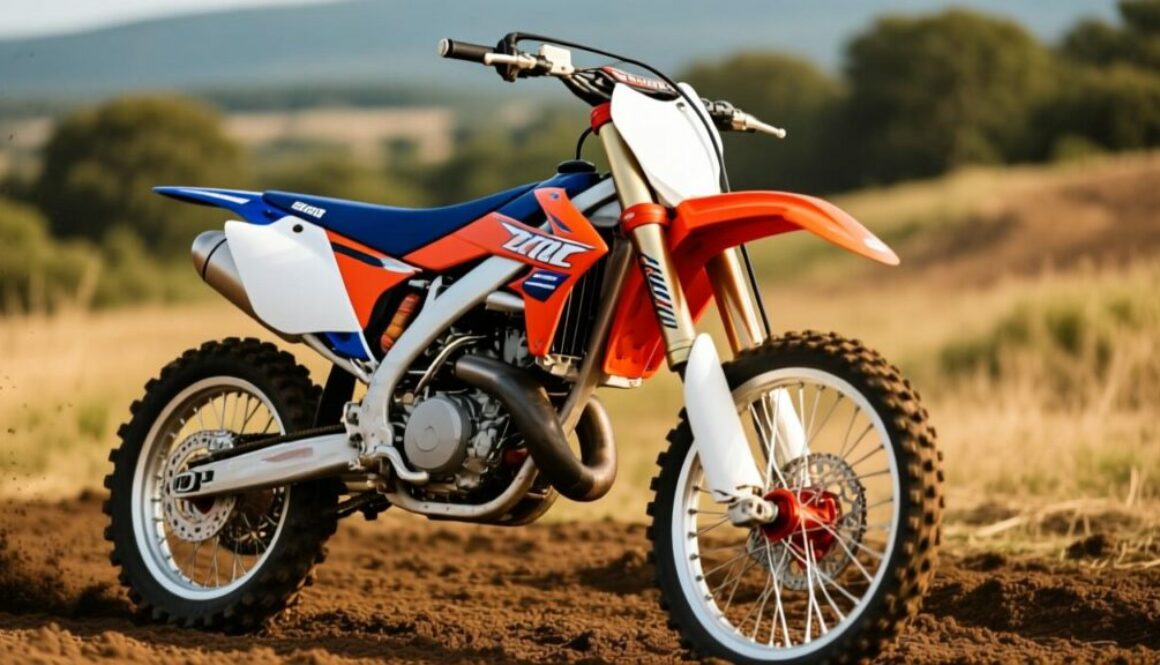
Is a dirt bike a motorcycle? Exploring the relationship and key differences
Many riders find themselves asking, is a dirt bike a motorcycle? The short answer is yes—a dirt bike is indeed a type of motorcycle. However, there are several important differences between dirt bikes and motorcycles designed for street use. For those interested in how machines adapt to different environments or curious about riding and mechanics, this topic offers plenty to discover. It is worth exploring what sets a dirt bike apart from its street counterparts and why these distinctions carry real significance both on trails and on the road.
Understanding the basics of motorcycles and dirt bikes
Both dirt bikes and motorcycles belong to the broad category of two-wheeled motorized vehicles. Every dirt bike falls under the motorcycle umbrella thanks to core features like an engine, frame, and two wheels. Still, not every motorcycle qualifies as a dirt bike. What bridges—and separates—them?
The main difference lies in design intent and usage. A standard motorcycle usually serves for commuting or touring on paved roads. In contrast, a dirt bike thrives off-road, tackling rough and unpredictable terrain with ease.
Types of motorcycles: Street, off-road, and beyond
The motorcycle world is diverse, offering models tailored for various tasks. Understanding these types helps clarify where dirt bikes fit among motorcycles.
What are the main categories of motorcycles?
Motorcycles come in many forms designed for specific uses. Some well-known categories include:
- Street bikes (ideal for daily commuting and city travel)
- Cruisers (comfortable rides with classic style)
- Sportbikes (built for speed and performance)
- Touring bikes (designed for long-distance comfort)
- Off-road motorcycles (specialized for rugged environments)
Each of these types offers distinct advantages for certain riders, but only off-road motorcycles promise reliable performance when pavement disappears.
Where does a dirt bike belong?
A dirt bike is part of the off-road motorcycle family. While all dirt bikes are off-road motorcycles, not every off-road machine matches a dirt bike’s lightweight build and agility. Popular styles such as enduro and motocross bikes highlight how dirt bikes are engineered for unique aspects of off-road use, whether racing across mud or climbing rocky paths.
This specialization makes it clear: while a dirt bike is a motorcycle, it is not interchangeable with every model available at dealerships or seen cruising highways.
Design differences between dirt bikes and motorcycles
Identifying a dirt bike in a group of motorcycles is simple—even without mechanical expertise. Their physical traits clearly reflect their purpose for off-road riding.
Lightweight frames, tall suspensions, and narrow seats define dirt bikes, allowing them to absorb shocks and maneuver quickly over challenging surfaces. Compared to cruisers or sportbikes, which prioritize stability and aerodynamics on smooth roads, dirt bikes excel at handling bumps, jumps, and loose ground.
How do tires and suspensions set them apart?
Dirt bikes feature knobby tires that provide extra grip on mud, sand, and gravel—perfect for venturing away from asphalt. Their suspensions have longer travel to absorb impacts from rocks and roots, something typical street motorcycles are not built for.
Meanwhile, street motorcycles use smoother, flatter tires for maximum contact on pavement, paired with stiffer, lower suspensions optimized for predictable conditions and higher speeds.
Other design features that matter
Several subtle yet critical details separate these models. Dirt bikes often have high-mounted exhaust pipes to prevent clogging in muddy or wet areas. Seats are mounted higher, and controls like handlebars and pedals offer more leverage for sudden maneuvers.
Weight is another factor: because dirt bikes skip most comfort features and electronics, they tend to weigh much less than touring bikes or cruisers. This reduced mass makes it easier to recover from tip-overs—an everyday occurrence in true off-road riding.
Differences in use: Street bike vs dirt bike
Beyond appearance, the way each vehicle is used truly distinguishes dirt bikes from street motorcycles.
Standard motorcycles excel on city streets and highways, delivering consistent speed, passenger comfort, and fuel efficiency. By contrast, dirt bikes shine in places where street bikes falter—such as forests, steep hillsides, sandy dunes, or muddy trails. This is why ‘off-road use’ is the defining phrase for dirt bikes—they go where street bikes simply cannot follow.
Terrain suitability: Where do each thrive?
Dirt bikes are perfectly suited for forests, deserts, and unmarked trails. With their ability to handle rapidly changing terrain, they are the top choice for competitions like motocross and enduro. Attempting to ride over rocky or soft ground with a regular motorcycle rarely ends well.
The chart below shows typical terrain preferences for both:
| Type | Preferred terrain |
|---|---|
| Dirt bike | Mud, sand, gravel, forest trails, hills |
| Street bike | Paved roads, highways, urban streets |
Legal and practical considerations
Even though a dirt bike is a motorcycle by definition, many laws treat them differently. Most dirt bikes lack the equipment required for street legality—such as turn signals, mirrors, or license plates. As a result, owners typically transport them to trails instead of riding directly from home.
By comparison, standard motorcycles are ready for public roads once registered and insured, making them suitable for both daily transportation and leisure. These legal and practical differences highlight why knowing the exact type of machine is crucial before heading out.
Frequently asked questions about dirt bikes and motorcycles
Are all dirt bikes considered motorcycles?
Every dirt bike is technically a motorcycle due to its motor-driven two-wheel setup and overall construction. What sets dirt bikes apart is their focus on professional or recreational off-road riding. Features like knobby tires and lightweight frames make this distinction clear.
- Dirt bikes remain within the broader motorcycle category.
- Their primary purpose centers on off-road riding.
What are the main differences between dirt bikes and other motorcycles?
The most noticeable differences involve design and intended use. Dirt bikes rely on lighter materials, taller suspensions, and aggressive tire treads to tackle tough landscapes. Meanwhile, most motorcycles are heavier and built for stable highway travel or comfortable touring. Equipment like lights and license holders also play a role.
- Frame size and weight differ significantly.
- Tires vary by tread pattern and shape.
- Suspension travel is greater on dirt bikes.
- Street-readiness features may be absent on dirt bikes.
Can a dirt bike be legally ridden on the street?
Most traditional dirt bikes are not street-legal unless modified to meet local regulations. Common modifications include adding lights, mirrors, and a horn, as well as registering the vehicle. Even after upgrades, emission and safety standards must be checked according to region.
- Stock dirt bikes generally cannot be used on public roads.
- Some conversions create dual-sport motorcycles that work on both street and trail.
What types of dirt bikes exist?
There are several types of dirt bikes designed for different activities and skill levels. Options range from competitive race machines to beginner-friendly trail bikes and versatile dual-sport models. The best choice depends on terrain suitability, maintenance needs, and preferred riding experience.
- Motocross bikes: specialized for closed-course racing.
- Enduro bikes: ideal for endurance and long-distance off-road events.
- Trail bikes: accessible options for recreational rides.
- Dual-sport bikes: hybrid designs for both street and off-road use.
| Type | Main purpose |
|---|---|
| Motocross | Track racing |
| Enduro | Long-distance, endurance races |
| Trail | Recreational trail riding |
| Dual-sport | Street and off-road capability |
Is it illegal to ride a motorcycle without a helmet? Exploring laws, penalties, and safety
Motorcycles evoke a unique sense of thrill and adventure, but riding one comes with specific regulations that must be followed. A common debate among riders centers on whether traveling without protective headgear is actually illegal. The answer depends on the location, as each state or region establishes its own rules regarding required helmet use.
Understanding the illegality of riding without a helmet
Helmet requirements are not uniform nationwide. Some states enforce strict mandates that leave no room for exceptions, while others allow more flexibility based on factors such as age or experience. This variation means travelers need to stay aware of local rules before setting out on their journeys.
At the core, the debate revolves around safety and liability. Lawmakers balance personal freedoms against public health concerns, which results in diverse approaches to mandatory head protection. Over time, legal structures and cultural perspectives have shaped the patchwork of helmet regulations seen today.
Federal vs state helmet law differences: who gets to decide?
There is no universal federal law requiring helmets for all motorcyclists across the United States. Instead, each jurisdiction sets its own standards. This system creates both advantages and challenges for riders and policymakers.
How does this impact cross-state riders?
A rider might legally go helmet-free in one state, only to cross into another where full compliance becomes mandatory. For instance, leaving Illinois—where adult riders face no helmet mandate—then entering Missouri, where neglecting proper headgear can result in immediate fines. Such inconsistencies make it essential for anyone planning long rides to know the helmet law by state.
Keeping up-to-date with specific state rules helps prevent costly mistakes and supports responsible riding. It also highlights the ongoing discussion about whether federal advice or individual state statutes should take precedence.
What happens when laws conflict?
Courts consistently uphold state authority regarding helmet laws. While federal recommendations may influence policy, they rarely override state decisions. When conflicting guidelines arise, following the most stringent applicable rule for the area visited is safest.
Because of these variations, checking local ordinances remains crucial before venturing outside familiar territory. Ignoring these differences could lead to unexpected legal issues for unprepared riders.
Breaking down helmet law by state: what do riders need to know?
Nearly every state has established specific guidelines outlining who must wear a helmet and in which situations. While total freedom exists only in a handful of places, most locations base obligations on factors like rider age, experience, or insurance status.
States such as California have implemented universal helmet laws for all riders and passengers regardless of age. Others allow experienced adults exemptions if certain conditions are met. Understanding these distinctions is key for avoiding missteps and ensuring smooth travels.
Age-specific helmet laws and their implications
Several states require helmets only for individuals below a particular age threshold, most commonly minors under 18 or those lacking sufficient years of licensed riding experience.
Examples of age-based regulations
For example, Florida requires helmets for riders under 21, but older operators may skip them if they carry adequate medical insurance. Texas follows a similar approach, applying different criteria depending on age and qualifications.
This combination of discretion and targeted restrictions grants seasoned bikers more freedom, while still prioritizing the safety of younger riders. These patterns illustrate how lawmakers manage risk through varied strategies.
Are passengers required to wear helmets too?
Many jurisdictions extend protective requirements beyond just the operator, mandating that all passengers required to wear helmets do so regardless of age. These provisions reflect increased awareness of passenger vulnerability during accidents. Failing to ensure everyone meets helmet standards can result in higher penalties.
Verifying passenger requirements eliminates confusion and reduces the risk of accidental violations, especially when carrying less experienced or younger companions.
Dot-compliant helmet requirements and equipment standards
Legal compliance does not end with simply wearing any helmet. Most areas specify that a DOT-compliant helmet is necessary, dismissing novelty items that do not meet federal safety benchmarks. Even in places without universal helmet mandates, using an approved model becomes critical if stopped by authorities.
DOT certification ensures the helmet provides minimum protection, reducing the risk of severe injury. Always check for the DOT label to guarantee lawful choices and satisfy both law enforcement and insurance providers.
Penalties and fines for not wearing a helmet: what’s at stake?
Disregarding required helmet use often leads to tangible consequences. Penalties and fines for not wearing a helmet range from minor administrative fees to serious citations or points added to a driving record. Repeat violations may bring escalating sanctions or even higher insurance premiums.
- Citations ranging from $50 to several hundred dollars depending on the state
- Possible suspension of motorcycle endorsement for repeat infractions
- Insurance company involvement leading to premium increases
Beyond financial costs, violators can face greater liability in personal injury lawsuits. Choosing compliance is always the safer and more financially prudent option.
The california motorcycle helmet laws explained
California distinguishes itself with a strict stance. Both drivers and passengers must wear DOT-approved helmets at all times while operating or riding. Enforcement is thorough, so breaking this rule nearly always results in ticketing and firm reminders from officers.
No exceptions exist based on age or insurance in this state. This consistent approach aims to reduce accident fatalities and promote best safety practices for everyone on the road.
Safety hazards of not wearing a helmet
Regardless of legality, riding without head protection greatly increases exposure to life-changing injuries. Helmets significantly lower the likelihood of traumatic brain injuries during crashes. Medical data shows a clear link between mandatory helmet laws and reduced fatality rates for both drivers and passengers.
Neglecting to use proper gear risks both physical well-being and financial stability. Adhering to helmet laws mitigates critical dangers and supports arguments for personal and community safety.
Essential questions about motorcycle helmet laws answered
Do all states require helmets for motorcycle riders?
No, not every state enforces universal helmet mandates for motorcyclists. While some, like California, require helmet use for everyone, others set rules according to age or experience. Several states offer adult riders some choice, provided certain insurance or licensing criteria are satisfied. Checking the latest helmet law by state chart is strongly advised before embarking on multi-state trips.
- Universal helmet laws: California, New York, Nevada, and others
- Partial laws (age-based): Florida, Texas, Pennsylvania
- No mandatory helmet laws: Illinois, Iowa, New Hampshire
What type of helmet qualifies under dot-compliant helmet requirements?
Only helmets meeting Department of Transportation (DOT) standards are accepted by most enforcement agencies. These helmets display a visible DOT sticker and undergo tests for impact resistance and strap strength. Non-compliant helmets, such as lightweight novelty versions, rarely provide adequate crash protection and typically fail legal checks.
- Full-face and modular models generally comply when labeled appropriately
- Half-helmets and other open styles must also feature the DOT mark
| Type | DOT Approved |
|---|---|
| Novelty Helmet | No |
| Certified Full-Face | Yes |
| Decorative Open-Face | No |
| Verified Modular | Yes |
Are there penalties and fines for not wearing a helmet?
Yes, wherever helmet use is mandated, failing to comply triggers various penalties and fines for not wearing a helmet. Typical repercussions include citation fees, potential license points, or even temporary loss of riding privileges after repeated offenses. These tickets can impact auto insurance rates and may prompt further legal action.
- Citations ($50–$500, depending on location)
- Insurance repercussions (premium increases)
- Repeat violation consequences (license suspension)
Do age-specific helmet laws apply to motorcycle passengers too?
Many regions apply age-specific helmet laws to passengers as well. This means children and young adults generally must follow the same helmet rules as operators. In some states, passengers required to wear helmets include all ages, especially where universal standards are in place. Verifying rules for both operator and passenger helps avoid surprises during traffic stops.
- Some states: All passengers regardless of age must comply
- Other states: Only minors or inexperienced riders included
- Exemptions are rare and usually come with specific conditions
What is a good beginner motorcycle? Understanding the essentials for new riders
Searching for the right first bike is both thrilling and sometimes overwhelming, given the sheer number of choices out there. Those taking their first steps into the world of motorcycles often look for a machine that combines ease of riding, affordability, and solid reliability. Picking the best beginner motorcycles means focusing on practical benefits rather than just engine size or flashy appearance. But what exactly makes a motorcycle ideal for someone new to riding?
The main qualities of beginner motorcycles
For those just getting started, bikes designed to inspire confidence from the first ride make all the difference. A well-chosen motorcycle helps ensure those early miles are smooth and enjoyable, instead of stressful. Many experienced riders suggest starting with something manageable, but not too basic.
Bikes that stand out for low maintenance needs, a lightweight frame, and an accessible seat height allow beginners to build skills gradually. This approach prevents feeling overwhelmed by excess power or weight. As confidence grows, so does the ability to handle more advanced machines in the future.
Key factors in finding the right starter bike
Certain features truly matter when choosing a first motorcycle. While looks can be tempting, technical aspects like engine displacement (cc ratings), overall ergonomics, and comfort should guide the decision process. Not every entry-level model offers the same blend of practicality and fun.
Design elements that suit daily use or commuting are especially helpful. The best beginner motorcycles provide enough power to keep things engaging, yet remain unintimidating and easy to handle for less experienced riders.
Why engine displacement matters for beginners?
One of the simplest ways to identify a suitable beginner bike is by considering its engine displacement, measured in cubic centimeters (cc). For most newcomers, the sweet spot falls between 125cc and 700cc. Bikes within this range deliver manageable performance and a balanced amount of power, sparing new riders from sudden surges that could feel unsafe.
Smaller-displacement models are generally lighter and easier to maneuver, while still offering plenty of enjoyment on city streets or scenic backroads. Lightweight bikes also make slow-speed handling and parking much simpler—crucial for building early confidence.
Balancing power and comfort
Power certainly plays a role, but a top-notch beginner motorcycle prioritizes comfort alongside responsive acceleration. A good match between the rider’s height and the saddle ensures feet can touch the ground securely, while upright riding positions help reduce fatigue during longer outings.
Entry-level models usually feature predictable throttle response and gentle braking, making it easier to react calmly in tricky scenarios. The focus remains on learning the right techniques, rather than wrestling with a bike that feels too aggressive for everyday riding.
The importance of affordability and reliability for your first ride
Spending big on a flashy engine rarely pays off for those just starting out. Affordable motorcycles ease worries about inevitable scratches or minor drops during the early stages of learning. Keeping the initial cost reasonable leaves room in the budget for essential safety gear and regular upkeep.
Reliability stands out as another must-have trait for any beginner motorcycle. No one wants to spend more time fixing a bike than enjoying it. Well-proven, low-maintenance models simplify ownership and minimize surprise expenses. Riders who begin with dependable bikes can focus on improving riding skills instead of troubleshooting breakdowns.
Examining popular beginner motorcycle types and categories
Many new riders explore different styles—like sport, naked, standard, or cruiser motorcycles—when searching for the perfect first bike. Each category brings unique advantages suited to personal taste and planned usage. Understanding these differences raises the odds of finding a satisfying long-term companion.
Some well-known models earn their popularity by ticking all the right boxes: user-friendly ergonomics, sensible power balance, and straightforward maintenance. Features such as slipper clutches, digital displays, or adjustable suspension might be nice extras, but the core values stay the same.
Sport-inspired models with balanced design
Entry-level sport bikes offer eye-catching style paired with ergonomic seats and forgiving engines. Standouts in the 300cc to 400cc class shine by combining agility with enough highway capability. These motorcycles attract those seeking sporty aesthetics without the harsh suspension or high-strung engines typical of pure race bikes.
Most beginners value how these models promote skill development without overwhelming them with excessive power. Their lower weights translate into nimble handling, which helps hone reflexes and encourages confident riding habits.
Cruisers, standards, and upright commuters
Not everyone dreams of leaning hard into corners. Cruiser-style beginner motorcycles deliver a relaxed experience, featuring laid-back geometry and very low seat heights. Those planning city commutes or leisurely weekend rides appreciate how comfortable and approachable these bikes feel.
Standard and naked models offer versatility, blending simple styling with comfortable seating and neutral ergonomics. They excel in casual settings, thanks to straightforward controls and non-aggressive riding postures. Add in lower emissions, efficient fuel use, and affordable insurance, and they become even more appealing for new riders watching their budgets closely.
- Lightweight frame for easier control
- Accessible seat height for confident stops
- Engine displacement from 125cc to 700cc
- Low maintenance needs reduce hassle
- Balanced power delivery for gradual learning
- Affordability keeps overall costs down
Smart tips for maintaining and enjoying beginner motorcycles
After buying a bike, routine care goes a long way toward maximizing its lifespan. Some new owners overlook basic maintenance, but following a regular schedule avoids costly headaches later on. Lubricating the chain, checking tire pressure, and monitoring fluid levels turn the first years of ownership into positive experiences instead of frequent repair shop visits.
Building confidence also comes from practicing with the chosen motorcycle in quiet areas before venturing onto busier roads. Purpose-built learner courses help familiarize each rider with the specific quirks of different motorcycle models. Extra practice leads to safer, more enjoyable journeys as skills improve over time.
Frequently asked questions about choosing beginner motorcycles
What engine displacement is best for someone new to motorcycling?
Most experts recommend targeting motorcycles with engine displacement between 125cc and 700cc, depending on local licensing rules and prior riding experience. These sizes are manageable when learning clutch control and developing road awareness. Smaller displacements mean lighter bikes with gentler power delivery, which eases the transition from practice lots to real traffic.
- 125cc–250cc: ideal for city and short trips
- 300cc–500cc: more versatility for highway or all-round use
- Up to 700cc: for those ready for moderate extra power
| Displacement | Use case |
|---|---|
| 125cc-250cc | Urban / Learning basics |
| 300cc-500cc | Commuting / Some travel |
| 500cc-700cc | Mixed / Gradual step-up |
How does motorcycle weight affect beginners?
Weight plays a major role in how quickly a new rider adapts to motorcycling. Lightweight motorcycles boost confidence, make balancing easier, and allow quick corrections if the bike starts to tip at low speed. Parking and maneuvering are also simpler with lighter models, which reduces stress and risk for those still learning the ropes.
- Easier handling in city traffic or tight spaces
- Less effort needed to pick up if dropped
- Lower stress during low-speed maneuvers
Which aspects contribute to a motorcycle’s ease of riding?
Several features increase the ease of riding for learners. Predictable throttle and brake responses, a logical gearbox, and an upright seating position help minimize distractions. A seat height that allows both feet to reach the ground adds stability when stopping or moving slowly, while clear, simple controls support fast adaptation to the bike’s functions.
- Upright seating and natural handlebar reach
- Smooth clutch and throttle action
- Simple, intuitive dashboard layouts
How do affordability and maintenance shape the first-year experience?
An affordable starter bike means less pressure when making mistakes or investing in add-ons and gear. Low maintenance motorcycles ensure that new riders get more hours on the road and fewer in the repair shop. Focusing on established models with proven durability limits the frequency and cost of repairs, making the first year of ownership far more enjoyable.
- Lower insurance premiums for entry-level bikes
- Spare parts are easier to find and cost less
- Routine checks can be done without advanced tools
Where is the VIN on a motorcycle: practical tips for quick identification
Locating the Vehicle Identification Number (VIN) on a motorcycle can sometimes feel like solving a puzzle. This unique code hides in specific spots depending on manufacturing standards and model year. Because this sequence plays a vital role for insurance, registration, maintenance, and even theft recovery, finding it quickly becomes essential. Here, discover the most common VIN locations on a motorcycle and some helpful visual cues—no more guesswork during inspection or paperwork.
What is the VIN and why does its location vary?
A motorcycle’s VIN acts as its identity card. With 17 characters blending numbers and letters, this code reveals key details about the bike—such as the production year, model type, and country of origin. Authorities and manufacturers use this information when handling recalls, registrations, or verifying ownership.
The placement of the VIN has evolved with changing industry regulations. Even motorcycles from similar years might show subtle differences in position due to design updates or assembly changes. Spotting the number still follows recognizable patterns, especially when one knows what to look for and where. Modern safety rules have encouraged more uniform stamping and labeling practices for easier access.
Main locations where the VIN can be found
Most motorcycles display their VINs in specific places, balancing accessibility and protection against weather, accidents, or tampering. Typically, starting with these areas saves time before considering less obvious spots.
- Steering head (or headstock): This structural part sits right behind the handlebars and often serves as the main site for VIN imprinting.
- Frame: As the backbone of the motorcycle, the frame may host stamped or etched VIN numbers near crucial connection points.
- Right side or left side: The exact location may differ between the right side or left side of the vehicle frame, particularly close to the steering stem/neck.
- Sticker versus stamped layouts: Some models feature durable stickers while others rely on laser-etched or mechanically imprinted digits for permanence.
Checking each area methodically ensures that nothing gets overlooked. Good lighting and cleanliness matter—dirt or rust can easily hide part of the code, especially if it’s stamped directly onto metal rather than marked with paint or a sticker.
Visual characteristics of motorcycle VINs
Certain features make it easier to spot the VIN on a motorcycle. On most modern bikes, the standard 17-character string appears in blocky, legible fonts, usually aligned horizontally for clarity.
Steering head and headstock inspections
When examining the steering head, look for flat, machined surfaces; manufacturers often reserve these zones for important markings. Inspect just below the handlebars at the connection point to find an etched or stamped VIN that runs vertically or horizontally along the headstock.
Occasionally, a small painted patch highlights the number for better visibility, confirming authenticity. If a sticker is present here, expect strong adhesive and resistant lamination to protect against accidental wear or removal.
Frame and alternative placements
Beyond the steering head, the frame’s tubes offer secondary options—often near the lower end of the seat tube or close to engine mounting points. Sometimes, either the right side or left side frame rails (often near the swingarm pivot) bear the marking.
If the original sticker is missing due to age or modifications, search for lightly etched or imprinted codes directly in the metal. Occasionally, an auxiliary plate riveted onto the frame substitutes for direct engraving but always matches the official documents provided at purchase.
How to verify the authenticity and readability of a VIN?
After spotting a possible number, double-checking its legitimacy helps avoid administrative headaches or legal trouble. Several indicators distinguish a genuine VIN from casual engravings or fakes, helping both buyers and owners stay protected.
Ensuring correct length and format
Always count the characters—the sequence must total 17, with no spaces or symbols. A real motorcycle VIN combines uppercase letters and digits, following a set pattern established by international standards. Sequences that are too short, long, or oddly formed warrant caution.
As best practice, compare the discovered number with all documentation supplied with the motorcycle: registration forms, insurance cards, and servicing records should match exactly.
Inspecting for tampering or alterations
Closely examine for mismatched paint, unusual welds near the VIN area, or irregularly aligned digits. Signs of filing, scraping, or over-stamping might indicate tampering, complicating resale or registration. Check both physical stampings and stickers for scratching or peeling, which could point to interference.
Taking several photos from different angles and lighting conditions helps confirm the number’s authenticity. Whenever doubts persist, seeking professional help from certified mechanics or law enforcement brings extra peace of mind.
Top tips for quickly finding the VIN on any motorcycle
Having a detailed checklist streamlines the process and reduces frustration when searching for a VIN. Certain approaches maximize efficiency, regardless of motorcycle style or model year.
- Clean off dust and grime thoroughly, focusing on the steering head and main frame regions.
- Check both sides—the right side and left side of the frame may surprise even experienced investigators.
- Use a flashlight at various angles to catch reflective surfaces or faint etchings that are not immediately visible.
- If a sticker is present, inspect for backup markings such as stamped or imprinted codes nearby.
- Remember less common sites: beneath the seat, alongside rear subframe tubes, or near the airbox mount.
Being thorough makes future verifications with authorities much smoother and sets a solid foundation for safe riding and responsible ownership.
Common doubts and questions regarding VINs on motorcycles
Where does the VIN usually appear on older motorcycles?
On vintage or pre-1980 motorcycles, VIN locations can differ widely. Engine casings, headstock plates, or under-seat brackets were frequently used. Unlike standardized positions today, older bikes may lack consistent formats. Always cross-reference found numbers with any existing paperwork or service manuals.
- Engine casing
- Headstock or steering stem
- Seat support bracket
Can the VIN on a motorcycle ever be located on a removable sticker?
Yes, several newer motorcycles place a secondary VIN sticker on the frame or fork area for convenience. While this aids quick checks, official recognition depends on a stamped, etched, or imprinted version somewhere else on the vehicle structure. Removable stickers are prone to damage, fading, or replacement, making the permanent number crucial for legal purposes.
- Stickers supplement the main imprinted number
- Authorities prefer engraved or stamped VINs for validation
What tools help uncover a hidden or hard-to-read VIN?
A soft brush removes loose debris, revealing buried or corroded digits. Flashlights or phone cameras highlight shallow etching. For painted-over numbers, gently using fine-grit sandpaper can expose underlying stamps, yet avoid aggressive cleaning methods that damage the frame or obliterate markings entirely. Document everything visually before attempting restoration.
- Soft-bristle brush
- Bright flashlight
- Magnifying glass
- Fine sandpaper (if necessary)
Why do some motorcycles have two matching VINs in different places?
To boost anti-theft measures, manufacturers sometimes place a second VIN in a less visible location, backing up the main number. Both must match all official documents. These twin markings reduce confusion if stickers peel off or certain frame areas sustain damage.
- Main number: steering head or headstock
- Backup: swingarm pivot, lower frame rail, or inner fender well
| Location | Purpose |
|---|---|
| Visible (steering stem) | Quick verification |
| Hidden (lower frame) | Security backup |
How heavy is a motorcycle? Understanding weights, categories, and what really matters
When exploring the world of motorcycles, weight quickly becomes a central topic—especially for those considering their first ride. The numbers might seem overwhelming at first glance. With such a wide range of sizes, distinct bike types, and technical details like “wet” versus “dry” weight, even experienced riders find new nuances to consider when a fresh model hits the market. So, how heavy is a motorcycle? This guide breaks down this essential detail in clear terms, covering key weight ranges, why they matter, and how to choose a motorcycle that aligns with individual needs.
What affects motorcycle weight?
No two motorcycles weigh exactly the same, even if they appear similar from a distance. Several main elements combine to determine how heavy a motorcycle will be. These include overall design, materials used, and the intended purpose of the machine. Gaining a grasp on these variables clarifies the oft-cited average motorcycle weight and helps explain where each bike fits within the total weight range (150 to 1000+ pounds).
The difference stands out when comparing nimble models with slim frames to large touring bikes built for carrying extra gear or passengers. While it may be tempting to assume that engine size tells the whole story, there are far more factors at play.
Engine size as weight factor
Among all components, none influence motorcycle weight by engine displacement (cc) quite as much as the engine itself. Generally, bikes equipped with bigger engines tip the scales higher, since larger displacements require more metal, additional hardware, and reinforced frames. For a quick estimate, consider that small-bore bikes (50–125cc) sit at the lower end of the spectrum, while robust tourers exceeding 1300cc can reach much higher numbers.
A moped or lightweight trail bike often benefits from a minimalist engine and streamlined build, frequently landing on the lighter side—perfect for city commutes or off-road excursions without excess bulk. On the other hand, adventure and sport bikes, especially those above 600cc, bring both increased power and added mass.
Bike type/model as weight factor
Beyond engine size, the specific type or category a motorcycle falls into sets expectations for its structure and typical weight. Each style features a standard range shaped by construction and riding intentions.
Sport bikes prioritize speed and agility; cruisers offer comfort and classic appeal, often using heavier materials. Dirt bikes favor lightness for tackling rough terrain, while touring bikes emphasize comfort and storage—even if that means adding considerable pounds.
Exploring the weight range (150 to 1000+ pounds)

The weight range across motorcycle types is vast. A quick overview shows motorcycles spanning from ultralight mopeds just over 150 pounds to full-featured touring bikes approaching or surpassing 1000 pounds. Some rare models push these boundaries further, depending on unique engineering choices or optional accessories.
Those seeking the ideal fit should pay attention not only to glossy marketing brochures but also to real-world rider opinions, since modifications and luggage can shift the actual riding weight experienced daily.
Specific motorcycle categories compared
Identifying major categories provides helpful context for understanding how heavy a motorcycle typically is:
- Mopeds: Often between 150 and 250 pounds, built for economy and urban navigation.
- Dirt bikes: Commonly fall in the 200 to 300 pound bracket, focusing on maneuverability and minimal weight.
- Cruisers: Frequently seen in the 500 to 800 pound area, balancing comfort and stability for extended road trips.
- Touring bikes: These giants can exceed 900 pounds with storage, windshields, and extras. Some models push past 1000 pounds fully loaded.
This broad spread highlights how crucial function is in motorcycle design. Choosing the right bike for any rider becomes simpler once these distinctions are understood.
Wet weight vs dry weight
When examining specs, expect to see both wet weight and dry weight listed. Dry weight refers to the bare motorcycle, excluding fluids like oil, coolant, and gasoline. Wet weight (or curb weight) includes all necessary fluids and a full gas tank, offering a more accurate sense of what one will actually manage in real conditions.
Manufacturers sometimes highlight dry weight for marketing purposes, but practical buyers benefit from checking wet weight, since it better reflects day-to-day use. Comparing both figures makes it easier to judge true “on-the-road” mass.
Finding the right weight for beginners and smaller riders
Choosing a suitable first motorcycle poses its own set of questions. Both size and confidence play significant roles, so it is wise to avoid unnecessarily heavy machines initially. The beginner suitability/first motorcycle weight discussion comes up regularly among seasoned riders recommending entry-level bikes.
Bikes crafted for newcomers or smaller individuals usually stay under 400 pounds. These models blend manageable handling with reliable performance. Heavier motorcycles can feel awkward or intimidating, especially during parking maneuvers or slow-speed turns.
Weight for smaller riders
For those prioritizing confidence or starting with less experience, lighter motorcycles provide substantial advantages. This preference goes beyond physical strength—mental comfort and enjoyment improve when the bike feels responsive rather than burdensome. It is helpful to try several models, paying close attention to seat height, balance, and posted weight.
Popular lighter options include small-displacement standards, commuter-focused models, and lightweight adventure bikes. If wondering how heavy a motorcycle should be for enjoyable learning or everyday use, choosing something below 450 pounds generally offers the most approachable experience—and encourages frequent riding.
Average motorcycle weight by category
The concept of an average motorcycle weight shifts depending on the category. While a mid-size street bike may land around 400 to 500 pounds, the breakdown varies:
- Dirt bikes: typically about 220 pounds
- Lightweight standard motorcycles: often 350 to 420 pounds
- Cruisers: generally 600 to 700 pounds
- Full-size touring bikes: 850 pounds or more
Personal selection depends not just on the numbers, but also on preferences, intended use, and practicality for everyday scenarios. Testing different weight classes in person can make the decision process much smoother.
Common questions answered about motorcycle weight
How does engine size relate to motorcycle weight?
Larger engines almost always mean a heavier motorcycle, as substantial components and reinforced frames are required. For example, a motorcycle with a 250cc engine weighs significantly less than one with a 1200cc powerplant. Engine size is a strong indicator of which weight range a model will fall into, often grouping bikes by their displacement (cc).
| Engine Displacement (cc) | Approximate Typical Weight (pounds) |
|---|---|
| 50–125cc | 150–250 |
| 250–500cc | 300–410 |
| 600–900cc | 400–600 |
| 1000cc+ | 650–1000+ |
What’s the difference between wet weight and dry weight?
Dry weight measures a motorcycle without essential liquids like oil, coolant, or gasoline. In contrast, wet weight (also called curb weight) includes all operational fluids and a full tank of fuel, giving a realistic idea of what the motorcycle weighs during regular use.
- Dry weight: excludes fuel and oils, resulting in a lower number
- Wet weight: includes all fluids—matches what is experienced on the road
Which categories of motorcycle are best for beginners or smaller riders?
Motorcycles designed for newcomers or smaller adults keep weight manageable—usually under 400 or 450 pounds. Mopeds, dirt bikes, and compact standard models are popular choices for early experiences. Lighter bikes allow riders to develop confidence easily, especially when mastering basic controls or practicing tight turns.
- Mopeds: low weight, easy maneuverability
- Entry-level standards: balanced power and control
- Smaller dirt bikes: lightweight, forgiving handling
Why do some bikes weigh over 1000 pounds?
Some touring motorcycles exceed 1000 pounds because they are equipped with luxury features such as powerful engines, advanced suspension systems, generous cargo space, entertainment setups, and reinforced chassis. These additions ensure smooth, comfortable long-distance travel, making them favorites for cross-country journeys or carrying multiple passengers along with luggage.
- Extensive electronics and navigation technology
- Large-capacity fuel tanks and infotainment options
- Robust frame and plush suspension for stability