What is high mileage for a motorcycle? Demystifying mileage thresholds
When considering buying or selling a used motorcycle, mileage always comes up as a central topic. Many riders glance at the odometer and immediately form opinions, but those numbers only tell part of the story. The real significance of mileage depends on much more than just the digits displayed—it hinges on everything from the type of bike to its maintenance history. Understanding these factors allows enthusiasts to make informed decisions and look past common misconceptions.
How to define high mileage for a motorcycle?
The concept of high mileage thresholds is not fixed in the motorcycle world. Unlike cars, where 100,000 miles is almost universally seen as high, motorcycles have entirely different expectations. So, what truly qualifies as high mileage on two wheels? That question requires some nuance.
Many point to a range—when a motorcycle passes between 20,000-50,000 miles, it often enters what some consider high mileage territory. However, this guideline varies widely. Factors such as design, usage frequency, and intended purpose can shift this threshold considerably.
What impacts motorcycle mileage expectations?
No single answer fits all situations; experts prefer to examine several influencing elements to assess a motorcycle’s lifespan and value. Not every engine type, use case, or maintenance habit affects a bike equally.
Mileage depends on motorcycle type/model
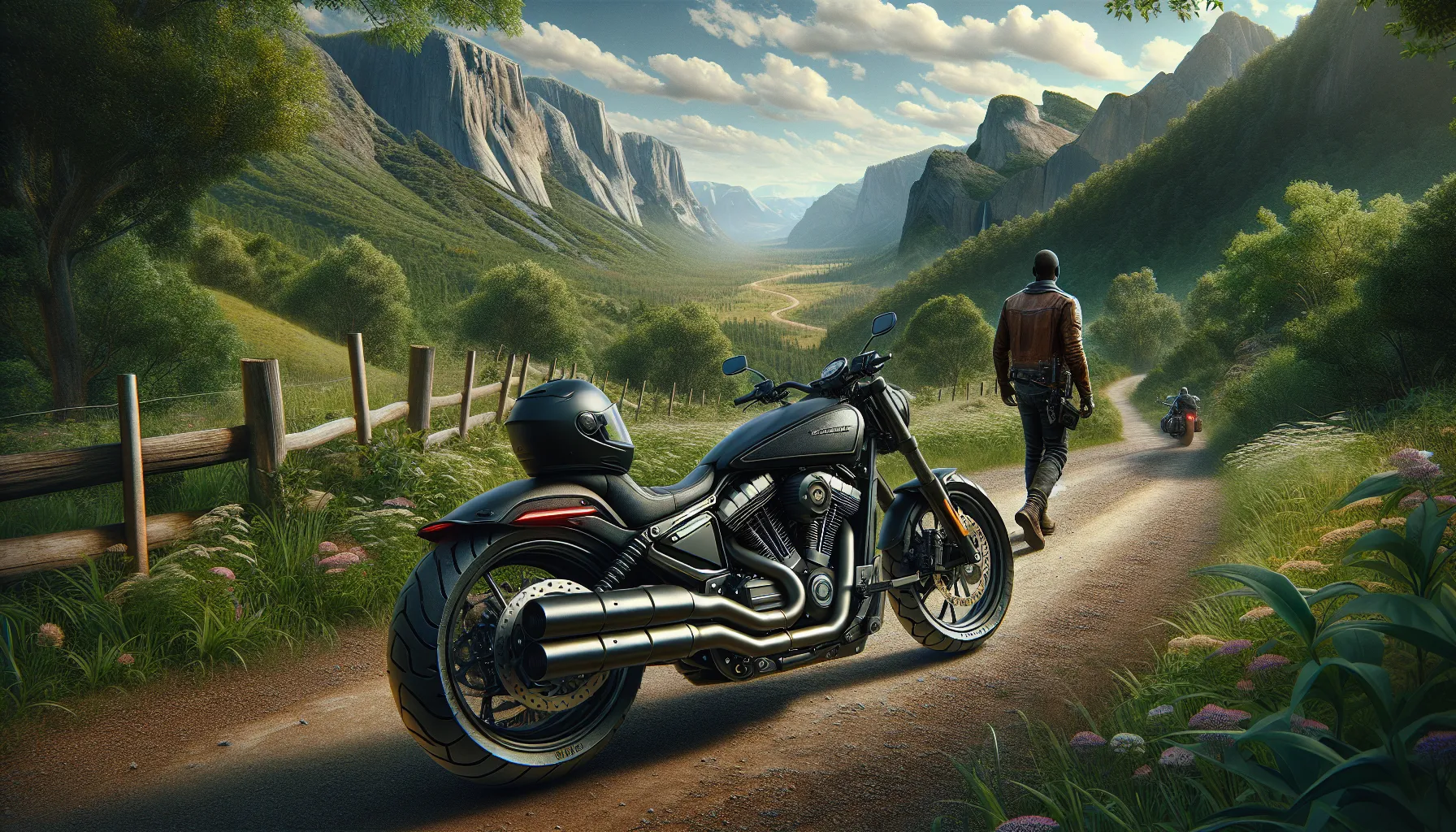
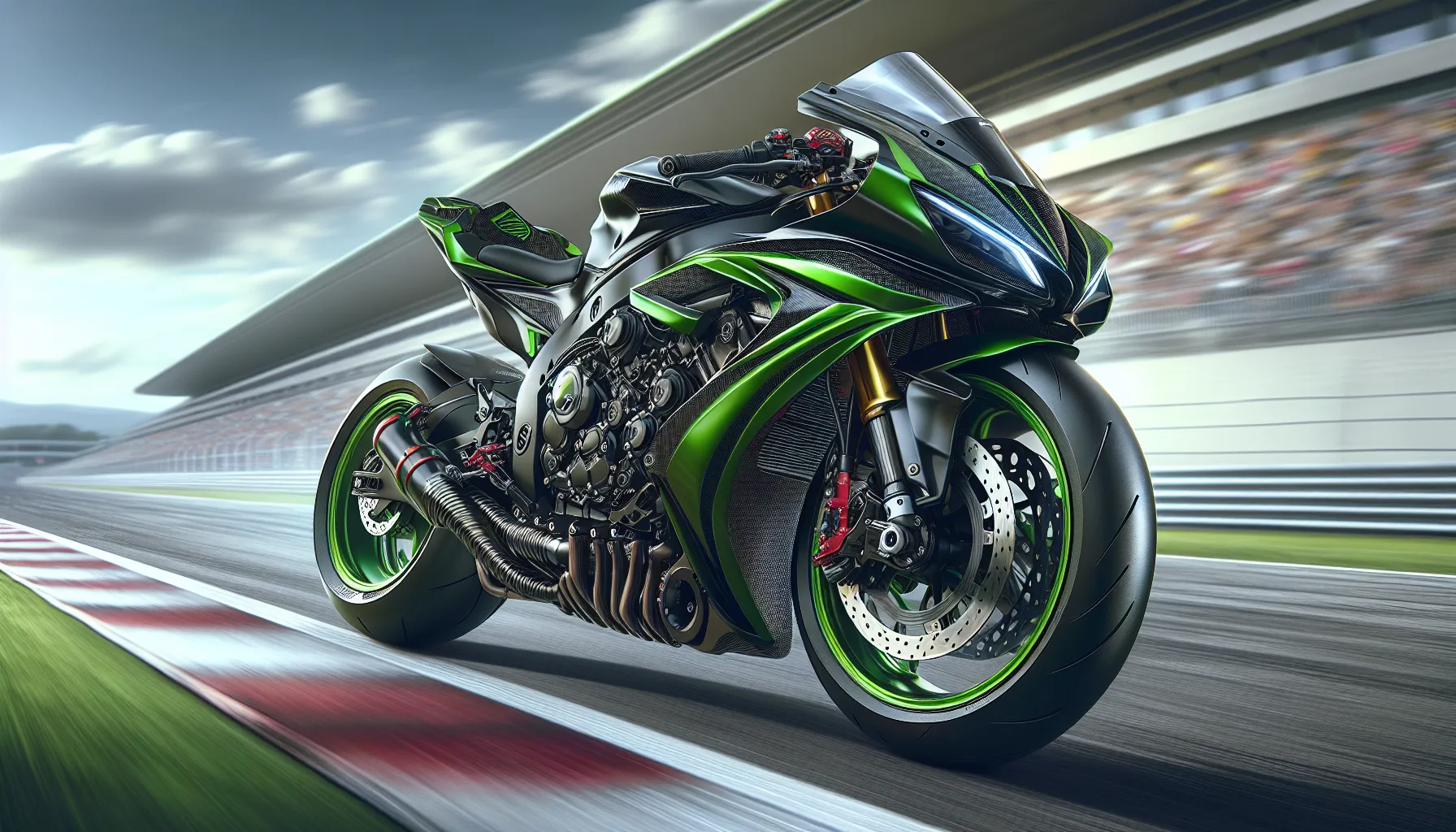
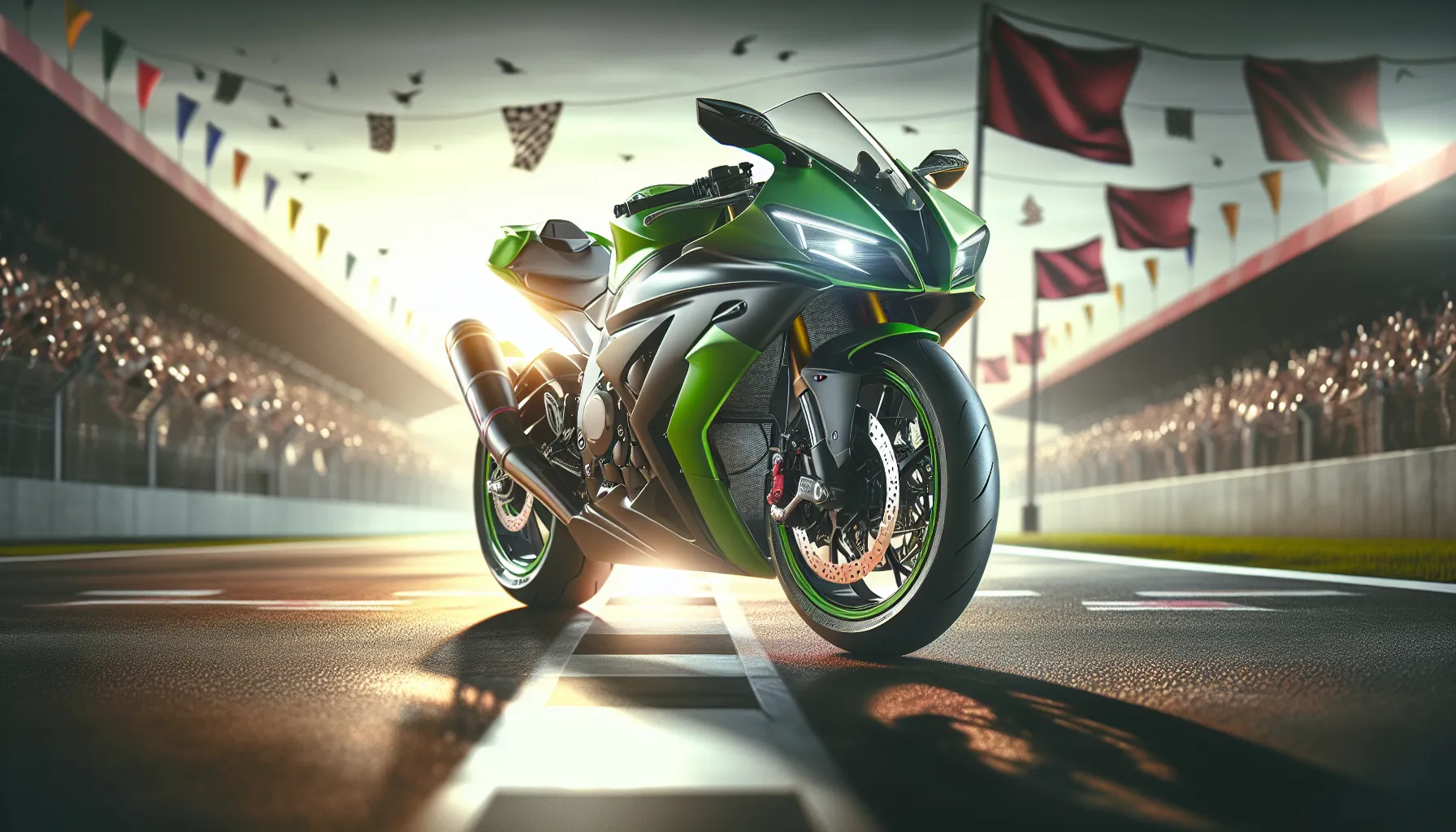
Certain types or models are engineered for greater longevity. For example, large touring or cruiser bikes are built to accumulate impressive mile counts over many years. In contrast, lightweight sport bikes, which endure higher RPMs and more aggressive riding, might start showing wear sooner.
A touring motorcycle with 40,000 miles can still be considered well within its service window, while a sport bike approaching even half that figure may raise concerns. There are always remarkable individual experiences/examples of high mileage that prove some machines exceed expectations through careful ownership.
Sport bikes vs touring/cruiser bikes
Touring and cruiser motorcycles, designed for comfort and moderate riding styles, typically enjoy longer lifespans before requiring major engine work. Many seasoned owners report their tourers surpassing 50,000 miles with only routine upkeep. On the other hand, sport bikes tend to face heavier wear due to their performance-oriented engineering.
The way a motorcycle is ridden—and how hard it has been pushed—matters as much as any number on the odometer. Assessing whether a bike was treated gently or raced regularly offers valuable insight when evaluating a used model.
Key factors beyond numbers: age, condition, and usage
While discussions about high mileage often focus on specific figures, context matters far more. A 15-year-old motorcycle with 45,000 miles could be in better shape than a newer one with half the distance if it has received meticulous care. Relying only on mileage numbers risks overlooking hidden gems—or acquiring unexpected problems.
Average motorcycle mileage per year generally falls between 3,000 and 5,000 miles, though exceptions abound. How a motorcycle was used provides important clues about its overall health and longevity.
Maintenance and condition over mileage
Bikes maintained on a strict schedule commonly outlast those with less attentive owners. Individuals who carefully document every oil change and promptly address issues can expect far greater reliability—even beyond typical “high mileage” benchmarks. Numerous stories exist of motorcycles exceeding expected limits thanks to diligent maintenance.
A clear service record can outweigh concerns about higher mileage when assessing a motorcycle’s overall condition. Many buyers actually prefer a well-maintained high-mileage bike over a low-mileage one with an unknown history.
Low mileage definition and pitfalls
There is often a strong attraction to low mileage, with the assumption that it means fewer problems. However, low mileage does not automatically guarantee better mechanical health. Extended storage, infrequent use, or neglected servicing can turn a seemingly pristine bike into a source of trouble.
Evaluating both the age of the motorcycle as a factor and its storage conditions is wise. Components like gaskets, seals, and fluids degrade over time, so even low-mileage motorcycles require proper inspection before assuming they are in top condition.
- Touring bikes: often reliable above 50,000 miles with regular upkeep
- Sport bikes: may show significant wear near 20,000–30,000 miles
- Cruisers: typically reach 40,000+ miles without major trouble
- Dirt bikes: general expectation is lower due to demanding riding conditions
Regional comparisons: American vs japanese motorcycles
Popular belief suggests that a motorcycle’s origin influences its potential for longevity. When comparing American vs Japanese motorcycles, differences often reflect engineering philosophies and rider expectations rather than geography alone.
Japanese manufacturers usually emphasize reliability and efficient engines, which helps them rack up higher mileage counts, particularly among smaller displacement models. Meanwhile, American brands often feature larger engines and robust construction suited for long-distance travel, allowing them to accumulate miles over many years.
Which lasts longer: american vs japanese motorcycles?
Real-world experience shows that both American and Japanese bikes, when properly maintained, can reach 80,000 miles or more. Examples abound of American cruisers and Japanese sport-tourers passing the six-digit mark, all owing their longevity to careful upkeep.
Ultimately, what determines mileage milestones is not the country of origin, but preventive maintenance, responsible ownership, and original build quality.
Typical longevity by category and region
A quick overview illustrates realistic high mileage thresholds by segment and origin:
- American cruisers/tourers: frequently seen with 50,000+ miles and still running strong
- Japanese commuter or sport-tourers: often surpass 40,000–60,000 miles smoothly
- Off-road or enduro: generally lower, but dedicated care can produce surprising results
Motorcycle communities regularly share individual experiences/examples of high mileage that challenge preconceived ideas, showing records are made to be broken with the right care routines.
Questions on motorcycle mileage demystified
What counts as high mileage for a motorcycle?
Generally, high mileage thresholds sit between 20,000–50,000 miles, depending on type and model. Touring or cruiser motorcycles typically handle higher mileages without issue, while sport bikes often encounter concerns sooner, sometimes before reaching 30,000 miles. In every case, a well-documented maintenance history holds greater importance than the number itself.
- Sport bikes: potential high-mileage concern around 20,000–30,000 miles
- Touring/cruiser bikes: 40,000–50,000 miles can still be quite reasonable
How does the average motorcycle mileage per year compare across types?
Most motorcycles accumulate between 3,000 and 5,000 miles annually, regardless of style. Long-range tourers and daily commuters may cover more ground, while sport and off-road bikes often fall below the average because of seasonal or recreational use.
- Daily riders: 4,000–7,000 miles per year
- Weekend or occasional riders: 1,500–3,500 miles per year
Why is maintenance more important than mileage on a motorcycle?
Consistent maintenance and condition allow a bike to remain dependable and perform well, even as the odometer climbs. Components wear based on hours and intensity of use—not just distance. Proof of regular oil changes, inspections, and repairs signals that the motorcycle will stay reliable for much longer, no matter the mileage.
- Regular oil changes prevent internal engine wear
- Timely replacement of consumables ensures safe operation
- Neglect leads to premature breakdowns, even at lower mileage
| Factor | Impact on longevity |
|---|---|
| Service frequency | High (positive) |
| Storage conditions | Moderate |
| Riding style | Significant |
Can a low mileage motorcycle still have issues?
Absolutely, low mileage does not guarantee freedom from problems. Motorcycles left idle or stored improperly may suffer from deteriorated seals, stale fuel, or corrosion, sometimes creating more challenges than a regularly used machine. Thorough inspection remains essential for older bikes, regardless of odometer readings.