
What is the fastest motorcycle? Exploring top speed, street legal contenders, and world records
The pursuit of ultimate speed on two wheels has always fascinated both riders and engineers. When exploring what truly defines the fastest motorcycle, several factors come into play—production status, top speed, modifications, and street legality often have a major influence. Whether chasing a coveted land speed record or searching for the most powerful production motorcycle available, the quest for unmatched velocity never really ends.
Defining the fastest motorcycle: beyond pure numbers
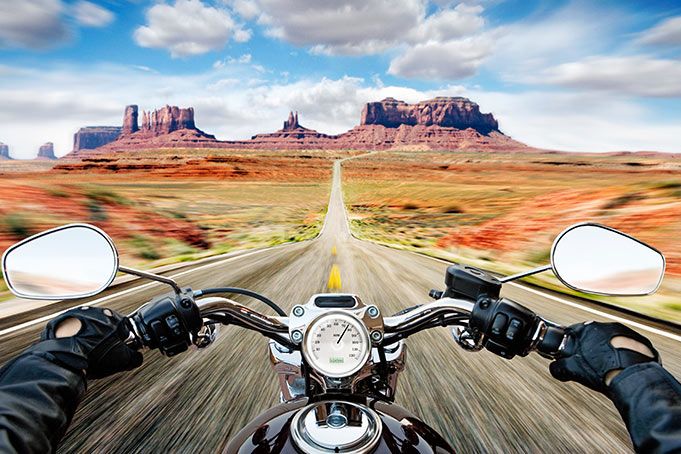
At first glance, identifying the world’s fastest motorcycle might seem simple. Just check the claimed top speed and declare a winner. In reality, things are more complex. Manufacturers use different methods to measure velocity, and some enthusiasts build custom bikes specifically to break barriers that official models could never reach right off the showroom floor.
Context matters greatly when discussing “the fastest.” Is the interest in a bike straight from the dealership, or in machines engineered exclusively to shatter land speed records? From horsepower figures to aerodynamic tweaks, these distinctions add depth to the conversation about ultimate performance.
Production motorcycles that broke top speed barriers
For many, the appeal of a production motorcycle lies in its blend of accessibility and high performance. These are bikes that can actually be purchased, with homologation and street legal compliance keeping them road-ready. A select group of models has earned legendary reputations by pushing the envelope further than their contemporaries.
The phrase “fastest motorcycle” often brings to mind iconic names renowned worldwide for pursuing ever-higher top speeds. Over time, various production models have held the unofficial title, only to be overtaken by new feats of engineering and bold design choices.
Record-setting production legends
Among speed enthusiasts, certain models have written entire chapters in the pursuit of breaking the 300 km/h barrier. These motorcycles owe their fame to cutting-edge technology, immense horsepower, and aerodynamics crafted for stability at unimaginable velocities.
Manufacturers continuously race to offer the fastest production motorcycle. Constant innovation leads to increased engine displacement, refined electronics, and meticulous weight reduction. While some versions push against the limits set by tire technology or public safety regulations, several bikes have dominated the hierarchy for years.
The role of street legal standards in defining ‘fastest’
Street legal requirements impose real constraints on how much power a factory model can deliver. Production motorcycles must meet emissions, noise, and safety standards before reaching consumers. Even so, some manage to remain compliant while delivering astonishing top speed figures, balancing regulation with thrilling performance.
This unique combination of compliance and adrenaline makes the search for the world’s fastest street legal motorcycle especially exciting. Owners get to experience serious speed without resorting to closed courses or illegal modifications—a key factor fueling rivalry between top brands.
Custom bikes and land speed record chasers
Some projects bypass dealerships altogether, existing solely for the thrill of setting a new world record. Custom bikes built for this purpose turn inspiration into action through specialized builds aimed purely at achieving maximum velocity.
These machines often stretch the definition of a motorcycle—sleek bodies, extended wheelbases, turbocharging, and even unconventional fuel sources are just a few techniques used by teams striving for unmatched acceleration and speed.
How custom builds push boundaries
Instead of focusing on broad usability or comfort, these motorcycles target technical excellence and fearless experimentation. Additions like streamlined fairings, precise gearing, and ultra-lightweight materials all support one goal: break the established land speed record under strictly controlled conditions.
While such motorcycles are impractical for daily riding, they inspire awe for both their appearance and the engineering prowess behind them. Attempts to raise the bar typically happen at famous venues—often salt flats—where there is no risk from traffic or ordinary obstacles.
The distinction between custom and production achievements
It is crucial to distinguish what an innovative workshop team accomplishes versus what owners of production motorcycles experience. Custom bikes ignore many real-world limitations to focus on pure performance, while production motorcycles balance everyday utility, dependability, and impressive speed.
Although a custom bike may attract headlines after exceeding 400 km/h, production models generate excitement because their performance can be purchased and enjoyed by qualified riders in real-world settings. This dynamic keeps both camps highly competitive and always evolving.
Key factors behind a motorcycle’s top speed
Many dream of owning the fastest motorcycle, but few realize how many technical elements combine to achieve those breathtaking stats. Engine capacity provides the foundation, yet other aspects work together with raw output to determine final results.
- Horsepower: Higher horsepower delivers greater propulsion, directly increasing achievable speeds.
- Aerodynamics: Streamlined bodywork reduces drag, helping the motorcycle cut through air resistance.
- Weight: Lighter motorcycles accelerate faster and hit higher speeds with the same engine power.
- Gearing: Optimized gear ratios ensure efficient transfer of engine output to road speed.
- Tires and suspension: Stability at top speed depends on tires rated for extreme velocity and finely tuned suspensions.
When perfectly combined, these features allow exceptional bikes to stand out, bridging the gap between eye-catching specs and true superiority on the road or track.
As regulations advance, even more emphasis falls on innovation that balances responsible design, next-level horsepower, and a relentless drive for outright speed.
Answers to common questions about motorcycle speed and records
Which factors allow a motorcycle to achieve the highest top speed?
A combination of high horsepower, advanced aerodynamic designs, lightweight materials, sophisticated electronic controls, and optimized gearing enables motorcycles to reach incredible top speeds. Each aspect helps minimize energy loss and maximize straight-line velocity.
- Powerful engines provide essential thrust.
- Slim bodywork significantly reduces wind resistance.
- Strategically balanced frames ensure stable, safe rides at peak performance.
Are all the world’s fastest motorcycles street legal?
No, not every contender for the title of fastest motorcycle can legally be ridden on public roads. Many of the most extreme land speed record holders are custom bikes that do not comply with street legal requirements. However, some very fast production motorcycles fully meet registration, emissions, and safety rules, allowing riders to enjoy high speeds outside the racetrack.
- Custom record-breakers often lack lighting, mirrors, or silencers.
- Production models aim for both exceptional performance and regulatory compliance.
Does higher horsepower always mean a faster motorcycle?
Greater horsepower improves a motorcycle’s potential for acceleration and speed, but it is not the sole deciding factor. Aerodynamics, gearing, rider position, weight distribution, and even weather conditions impact the ultimate top speed. As a result, two motorcycles with identical horsepower could deliver quite different outcomes during speed trials.
- Lower drag allows reaching higher velocities.
- Efficient power transmission is essential.
- Lightweight parts reduce barriers to acceleration.
| Factor | Effect on top speed |
|---|---|
| Horsepower | Increases maximum potential speed |
| Aerodynamics | Reduces wind resistance |
| Weight | Lighter weight allows better acceleration |
Why do custom bikes often dominate land speed records?
Custom bikes can be tailored precisely for world record attempts, ignoring daily rider needs or government restrictions. Their strength lies in unique engine setups, bespoke frames, exotic fuels, and the freedom to implement radical aerodynamic solutions. This focused approach gives them a big advantage over standard production motorcycles when chasing new records.
- No compromises for comfort or practicality.
- Ultra-high-performance components chosen for limited-use runs.


